St Thomas More High School
God's Servant First
Personal Development
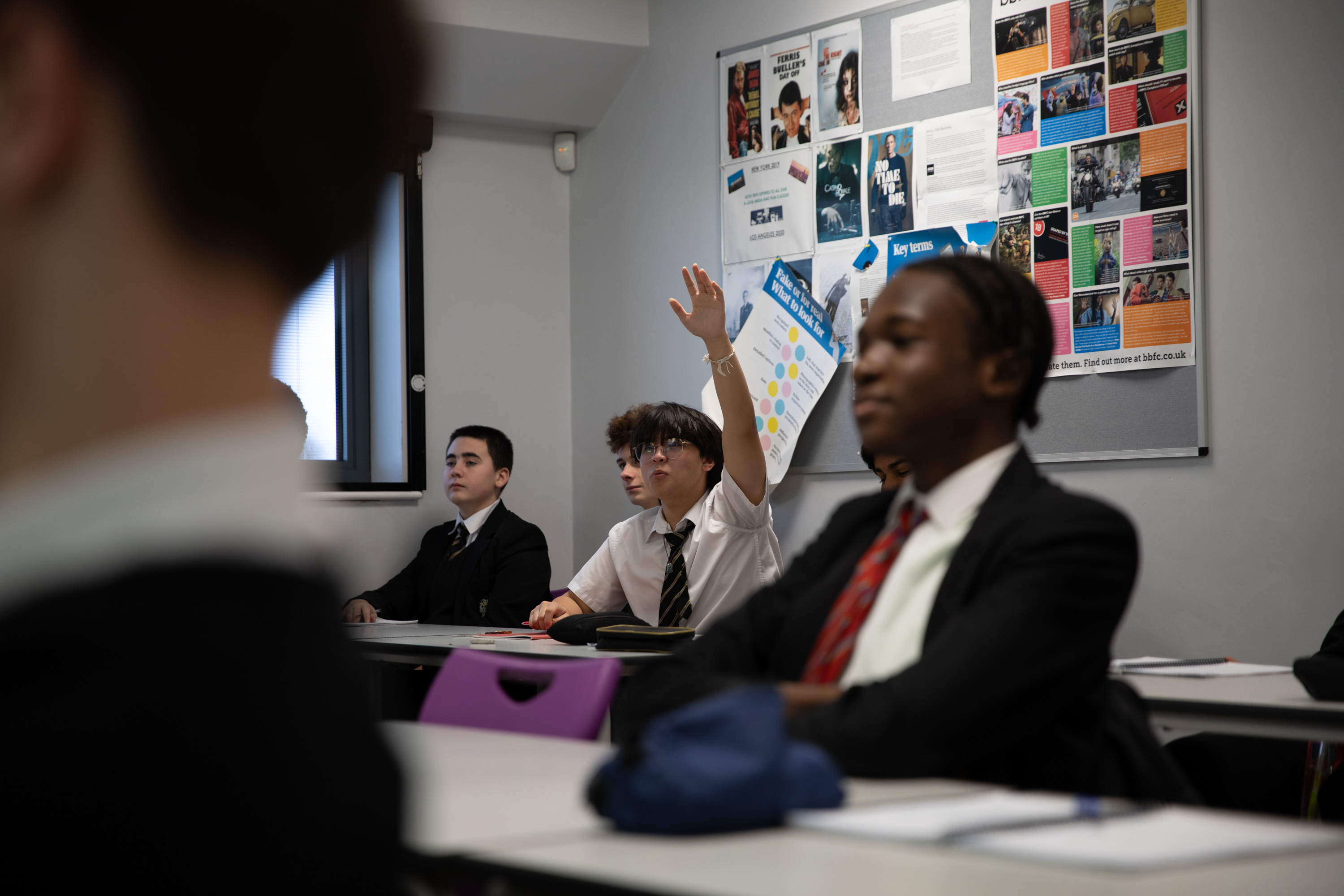 At St Thomas More High School, we believe that education is about far more than academic success. Our Personal Development programme is designed to help every pupil grow into a confident, compassionate and responsible young person who is prepared for the opportunities and challenges of modern life.
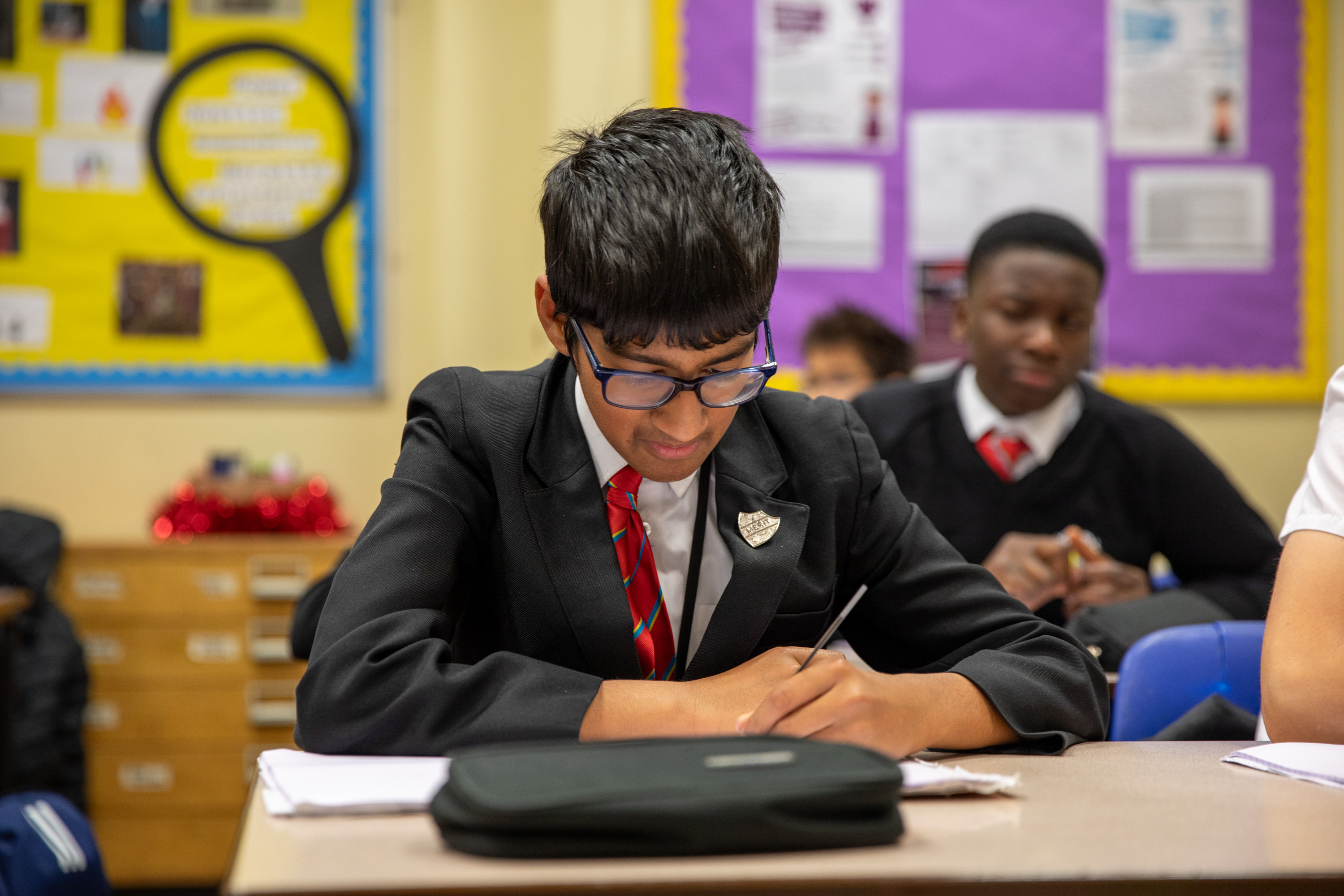 Rooted in our Catholic ethos and values, Personal Development supports pupils in developing the knowledge, skills and character needed to flourish both in school and beyond. Through a wide range of experiences, pupils are encouraged to develop resilience, leadership, independence, respect for others and a strong sense of social responsibility.
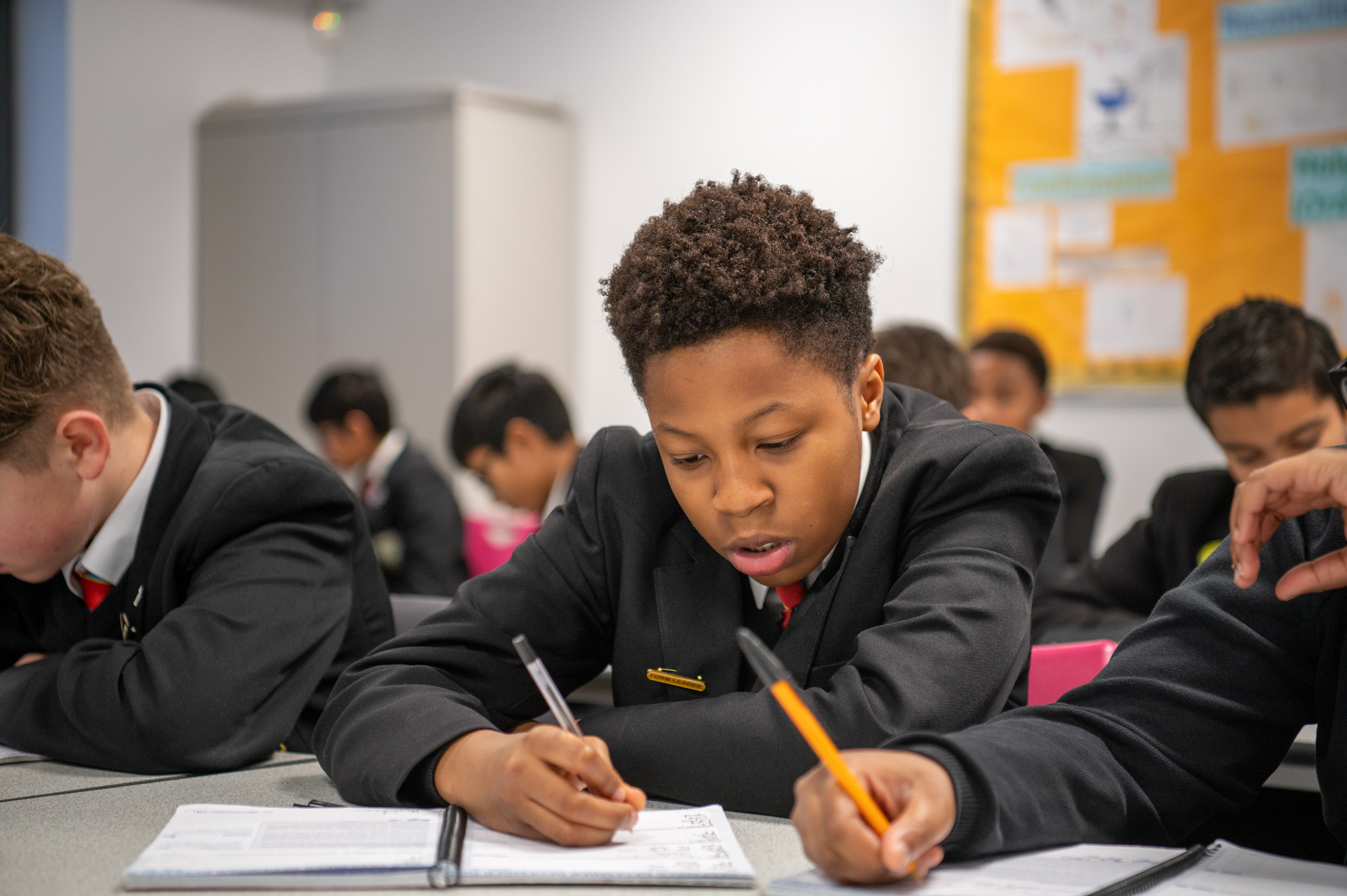 Our programme encompasses Personal, Social, Health and Economic (PSHE) Education, Relationships and Sex Education (RSE), Careers Education, British Values, Citizenship, Spiritual, Moral, Social and Cultural (SMSC) development, mental health and wellbeing, online safety, and opportunities for leadership and service. These experiences are delivered through the curriculum, assemblies, enrichment activities, educational visits, charitable work and our extensive extra-curricular programme.
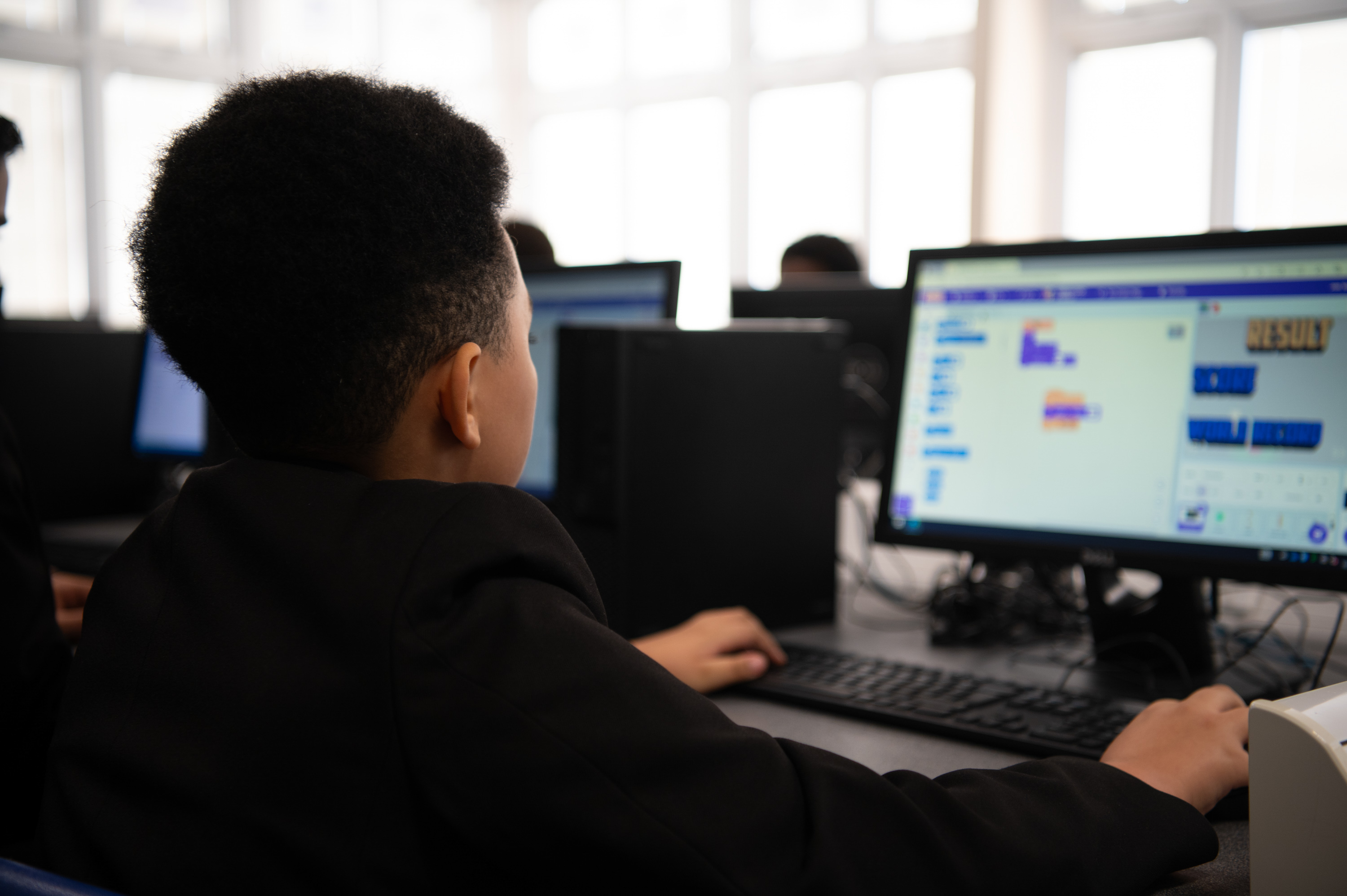 We are committed to ensuring that every pupil is equipped to make informed decisions, build positive relationships, contribute to their communities and live out our mission of serving others. By nurturing the whole person, we strive to help our young people become active citizens, successful learners and faithful individuals who embody our school motto:
Gods Servant First.
British Values
British Values at St Thomas More High School
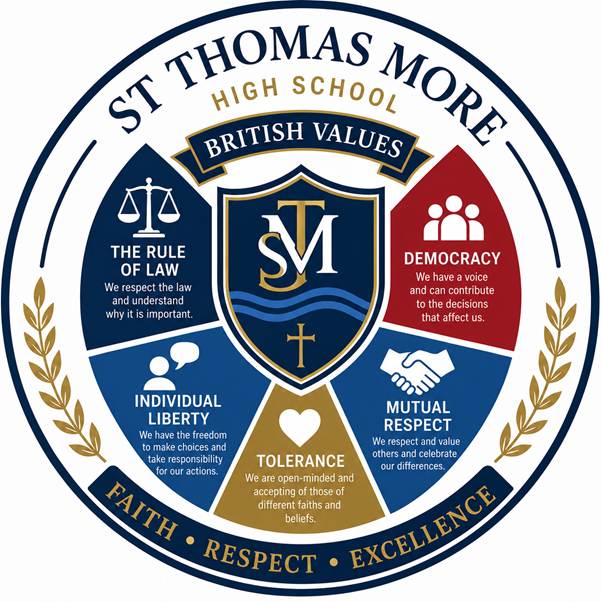
At St Thomas More High School, we are committed to preparing our students to become responsible, respectful and active citizens who contribute positively to modern British society. As a Catholic school, our mission and values align closely with the fundamental British Values of:
- Democracy
- The Rule of Law
- Individual Liberty
- Mutual Respect
- Tolerance of Those with Different Faiths and Beliefs
These values are embedded throughout school life and are promoted through our curriculum, collective worship, assemblies, chaplaincy activities, student leadership opportunities, enrichment programmes, and everyday interactions within our community.
Democracy "Where there is no guidance, a people falls, but in an abundance of counsellors there is safety." ( Proverbs 11:14)
Students are encouraged to have a voice and contribute to decision-making within the school. Through the School Council, student leadership roles, pupil surveys and consultation opportunities, students learn the importance of participation, representation and listening to the views of others.
- Role of democracy in form leadership, school council meetings, and also in prefect leadership (where pupils and staff get to vote on prefects)
- Joint decision making through the school council and the rights to be heard. We have a you said we did approach.
- The right to protest and petition – students are giving a voice through the school council and the open space to bring ideas forward, to protest and petition for ideas to happen.
- Receiving and giving feedback – pupils in year 10 were given individual feedback for their mock interviews and these were placed onto Unifrog.
- Students learn about law and democracy (See year 8, 9 and 10 – relationships and society PD programme HT5)
The Rule of Law "Act justly, love mercy and walk humbly with your God." (Micah 6:8)
We help students understand the importance of rules, laws and responsibilities in creating a safe and orderly society. Through our behaviour expectations, restorative practices, Personal Development programme and engagement with external agencies, students develop an understanding of both their rights and responsibilities.
- Legislation - Students learn about law and democracy (See year 8, 9 and 10 – relationships and society PD programme HT5)
- Pupils learn about the difference between right and wrong in our expectations assemblies, RSE through Ten:Ten, about consent, equal opportunities and tolerance, hate crime assemblies, workshops etc (see assembly programme)
- Agreed ways of working, policies and procedures – in STM
- How the law protects you and others – in assemblies, PD programme
- Codes of conduct – in planners and referred to on a regular basis.
Individual Liberty "It is for freedom that Christ has set us free." (Galatians 5:1)
We encourage students to make informed choices, take responsibility for their actions and develop confidence in expressing their views respectfully. Our curriculum and pastoral support help students to make safe and positive decisions whilst understanding the importance of personal freedom and accountability.
- Equality and Human Rights – HT2 in PD programme
- Personal Development – through all of the areas of the PD programme
- Respect and Dignity – in the workplace as part of the careers programme, in business through dignity in the workplace, respect as part of the PD programme (equal opportunities for all, celebrating different religions and cultures.
- Rights, choice, consent and individuality – through the PD programme – HT2 rights and responsibilities, being respectful in our community at end of HT3 and consent (assembly and taught in year 7 PD programme as responding to local community)
- Values and principles – always refer to gospel values in RE and in assembly programme, mass, discussion in forms through the monthly moral dilemma.
Mutual Respect “So God created mankind in his own image.” (Genesis 1:27)
Respect is at the heart of our Catholic ethos. We promote kindness, dignity and consideration for others, ensuring that every member of our community feels valued and supported. Students are taught to appreciate the contributions of others and to build positive relationships based on respect and understanding.
Tolerance of Different Faiths and Beliefs “If possible, so far as it depends on you, live peaceably with all.” (Romans 12:18)
As a diverse and inclusive school community, we celebrate the richness of different cultures, faiths and backgrounds. Through Religious Education, collective worship, themed events and the wider curriculum, students develop an understanding of and appreciation for the beliefs, values and traditions of others.
- Embracing diversity – through our assembly programme BHM, Holocaust Survivor day, hate crime assemblies (current work for Equalities Award)
- The importance of religion, traditions, cultural heritage and preferences (RE programme, RSE, embracing culture as part of Childrens Mental Health Week – opportunity to dress up in cultural dress and rounds in quiztopia)
- Stereotyping, labelling and prejudice – through the PD programme, year 7 stereotypes, multicultural Britain.
- Tackling discrimination – PD programme – year 7 challenging Islamophobia plus stereotypes and multicultural Britain, History Scheme of Learning, hate crime assemblies.
British Values and Our Catholic Ethos
The promotion of British Values is not separate from our Catholic identity; rather, it complements our mission to develop young people who live out Gospel values through service, compassion, justice and respect for the dignity of every person. Inspired by the example of St Thomas More, we strive to nurture students who are prepared to make a positive contribution to their local, national and global communities.
Together, our Catholic values through Catholic Social Teaching and British Values help to create a welcoming, respectful and inclusive environment where all students can flourish.
At St Thomas More, British Values and Gospel Values are not parallel tracks but a single road toward human flourishing. Democracy honours the God-given dignity of each voice and seeks the truth through dialogue anchored in respect and hope. The rule of law protects the vulnerable and orders our life together; in a Catholic community, law is held alongside forgiveness, ensuring justice is always restorative in its intent. Individual liberty is not licence but freedom for the good, grounded in trust in God, orientated by truth, and confident in hope. Mutual respect reflects our belief that every person is made in the image and likeness of God, so we build a culture of dignity, respect, and forgiveness. Finally, tolerance of those of different faiths and beliefs is an expression of respect and dignity, welcoming dialogue that pursues truth while cherishing the richness of diversity. In this way, British Values are not only compatible with Gospel Values—they are elevated by them.
|
British Value |
Linked Gospel Value(s) |
Why They Align (Catholic Lens) |
Examples in STM |
|
Democracy |
Respect, Truth, Dignity, Hope |
Democracy values the voice and dignity of each person, the pursuit of truth through dialogue, and hope in the common good. Catholic Social Teaching (CST) emphasises participation and subsidiarity—people should have a say in matters that affect them. |
School council; student elections with fair processes; class debates where all speak; feedback on liturgy and curriculum; shared decision-making in chaplaincy projects. |
|
Rule of Law |
Truth, Justice (implicit in Dignity/Respect), Forgiveness, Respect |
Law ordered to the common good reflects truth and safeguards human dignity. Respect for lawful authority is balanced by mercy/forgiveness—we uphold standards while offering restoration. |
Clear behaviour policy rooted in dignity; restorative conversations; graduated sanctions with reintegration; safeguarding training; modelling respect for school rules and civic responsibilities; reference to laws in topics within the Personal Development programme |
|
Individual Liberty |
Dignity, Trust in God, Truth, Hope |
True freedom is the capacity to choose the good. We protect dignity as God-given, trust that each person can grow in virtue, seek truth, and live in hope that freedom serves others, not just self. |
Choices in learning (electives/options); conscience-informed decision-making; Personal Development / RE on freedom & responsibility; guidance on online safety and rights/responsibilities; reasonable adjustments for SEND. |
|
Mutual Respect |
Respect, Dignity, Forgiveness, Truth |
Every person is made in the image and likeness of God—respect and dignity are non-negotiable. Forgiveness health relationships; truth ensures respect isn’t superficial but honest and just. |
Anti-bullying charters; peer mentoring; Praise card for acts of kindness; gratitude tree; use of dignified language in corridors and classrooms; reconciliation liturgies; consistent use of names and positive address; covered in aspects of the Personal Development programme |
|
Tolerance of Those of Different Faiths and Beliefs |
Tolerance, Respect, Dignity, Truth |
Catholic schools value truth while holding respect and dignity for all. Tolerance is active hospitality: listening, learning, and seeking common ground without relativism. |
Interfaith weeks; visits to and from other faith communities; curriculum units on world religions; respectful prayer space guidance; joint social action (Caritas/CAFOD-leaders and projects); multicultural Britain in PD programme; cultural weeks; through the literacy programme |
RSE (Relationships and Sex Education)
Catholic schools, like all other schools in England, are required to produce a written policy following the guidance issued by the Department for Education on Relationships education, relationships and sex education (RSE) and health education. The DfE guidance can be found here. Catholic schools are also required to deliver RSE in accordance with the teaching of the Church. This approach is compatible with the guidance issued by the DfE
Why is RSE in Catholic Schools important?
RSE is part of the mission of Catholic schools to educate the whole person. It should be carried out as part of the holistic education which seeks to form as well as inform young people in preparation for adult life.
What does outstanding RSE in Catholic school look like?
In order for Catholic RSE to be fully effective it needs to:
- Be faithful to the Church's vision of human wholeness whilst recognising the contemporary context in which we live today;
- Involve parents as they are primary educators of their child;
- Provide as positive view of human sexuality and dignity of the human person;
- Equip young people with the ability to make practical judgements about the right thing to do in particular circumstances;
- Explore and promote virtues which are essential to promoting respect and dignity;
- Be delivered in an age appropriate way which reflects the development of the child;
- Be part of the cross-curricular work in both primary and secondary schools;
- Be sensitive to the needs of the individual pupil and recognise the mix of pupils with different sexual orientations, genders and family backgrounds in each class;
- Be taken seriously by governors and teachers as an integrated part of the broad and balanced curriculum that Catholic schools offer;
- Be delivered by competent professionals who understand the Church's teaching
(Source CES accessed February 2024)
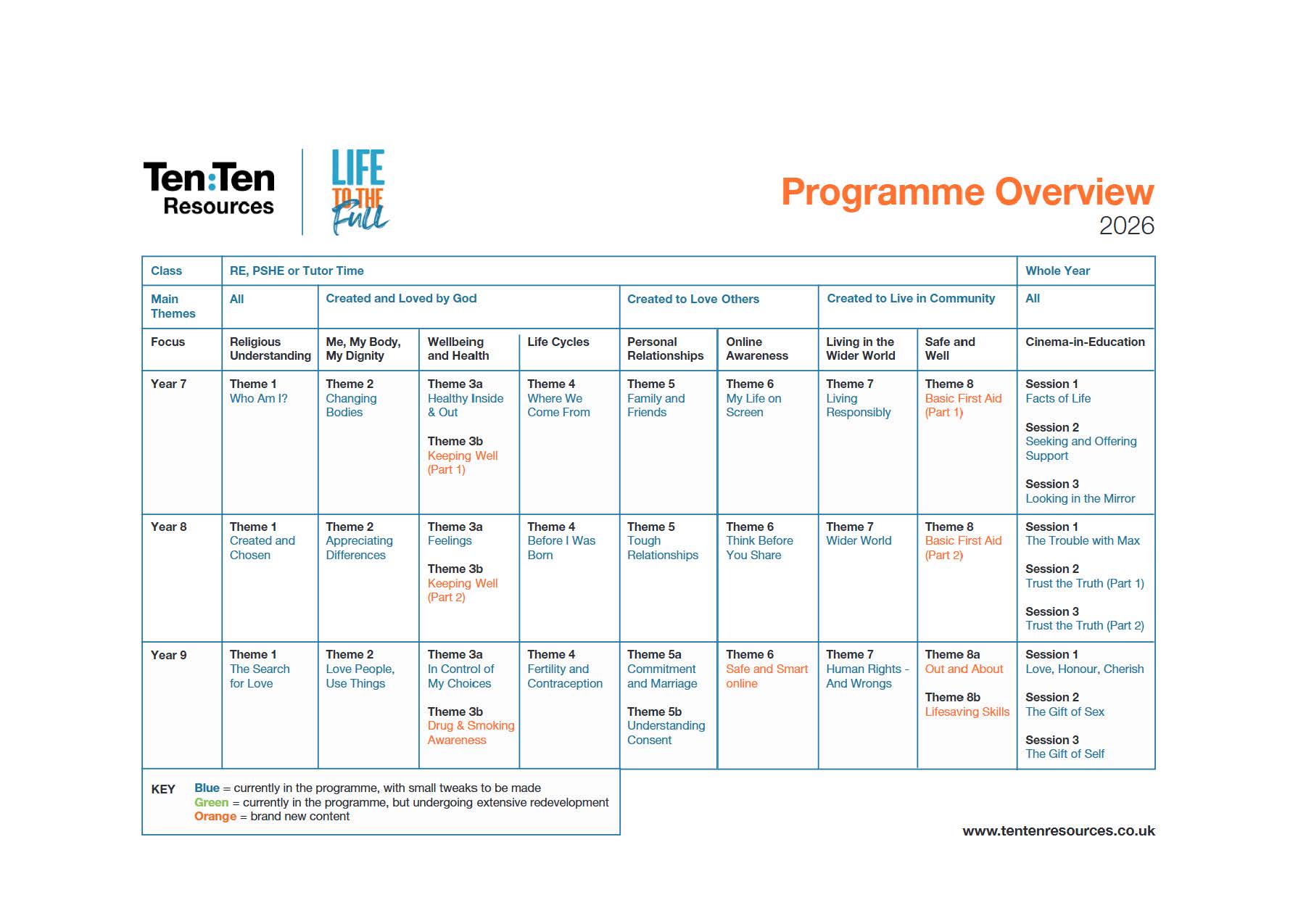
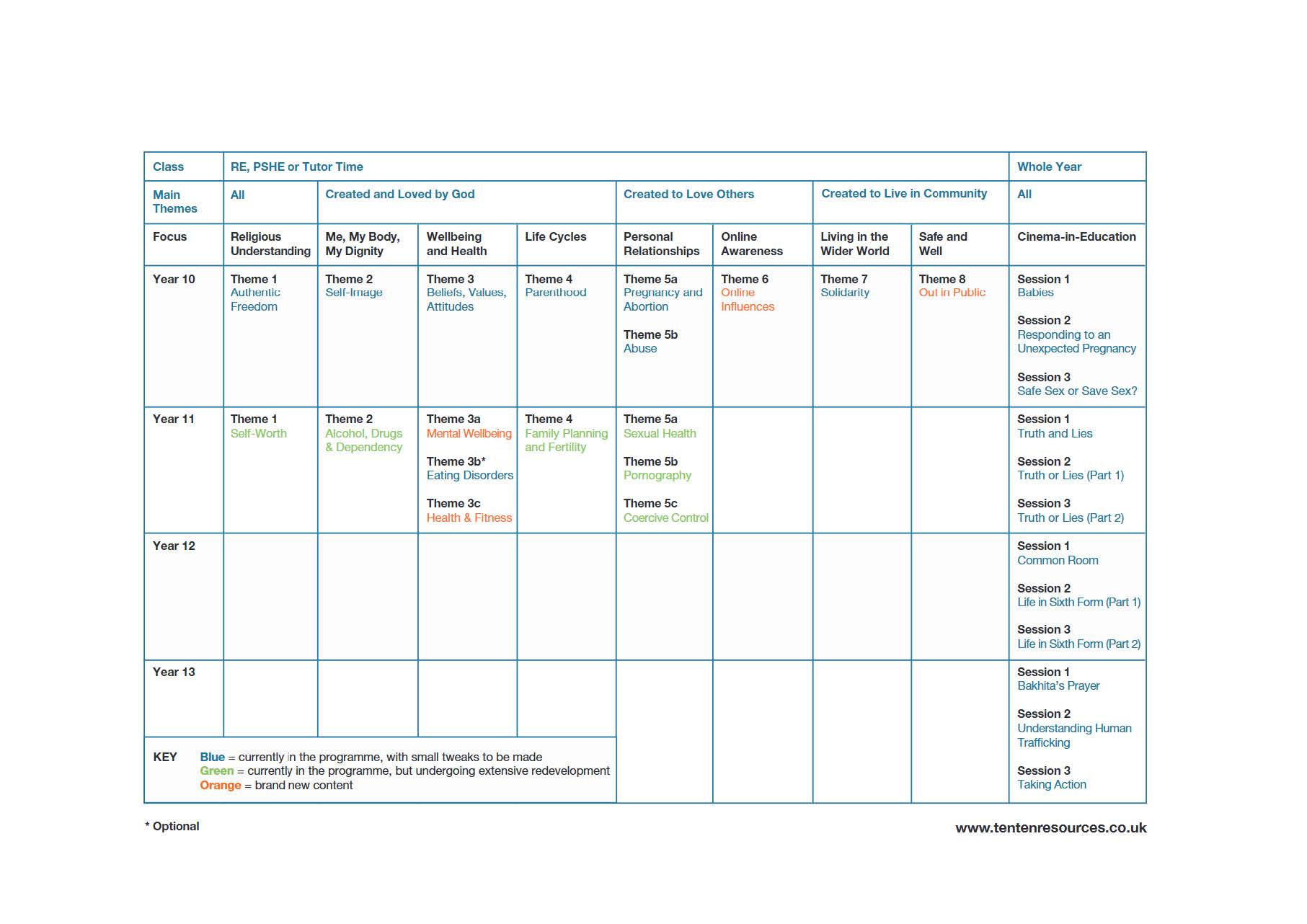
At STM we deliver RSE as part of the Personal Development programme and use the Ten:Ten (Live Life to the Full Suite of resources), all of these are approved by the Catholic Church and delivered in HT2 Relationships and Society unit.
Parents have the right to request that their child be withdrawn from some or all of sex education delivered as part of statutory RSE. If you wish your child to be removed from lessons please contact Mrs Lindsay alindsay@st-thomasmore.southend.sch.uk.
If you would like a closer look at any of the resources we will use, then please contact Mrs Lindsay alindsay@st-thomasmore.southend.sch.uk. for a parent login.
School Council
 At St Thomas More High School, we believe that every pupil has a voice and that leadership is rooted in service to others. Inspired by our Catholic ethos, the School Council provides an opportunity for pupils to take an active role in shaping school life while developing the qualities of servant leadership – listening, supporting others, and working for the common good.
What is a School Council?
- A School Council is a group of students who are elected to represent the views of all the pupils and to improve their school.
- "School council" means all kinds of school-based groups run by students, including student forums and youth parliaments.
 What does it do?
A school council does a number of things:
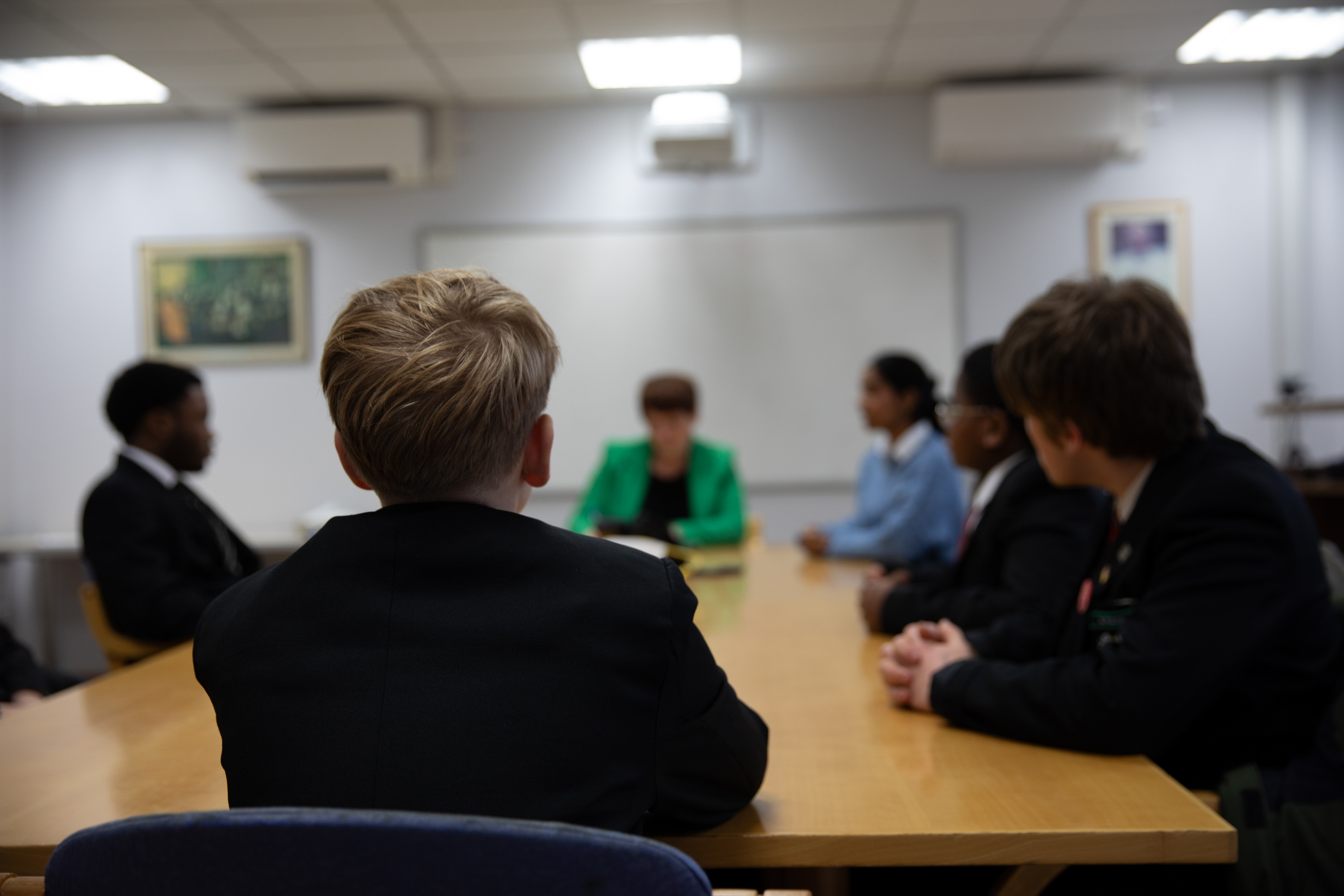
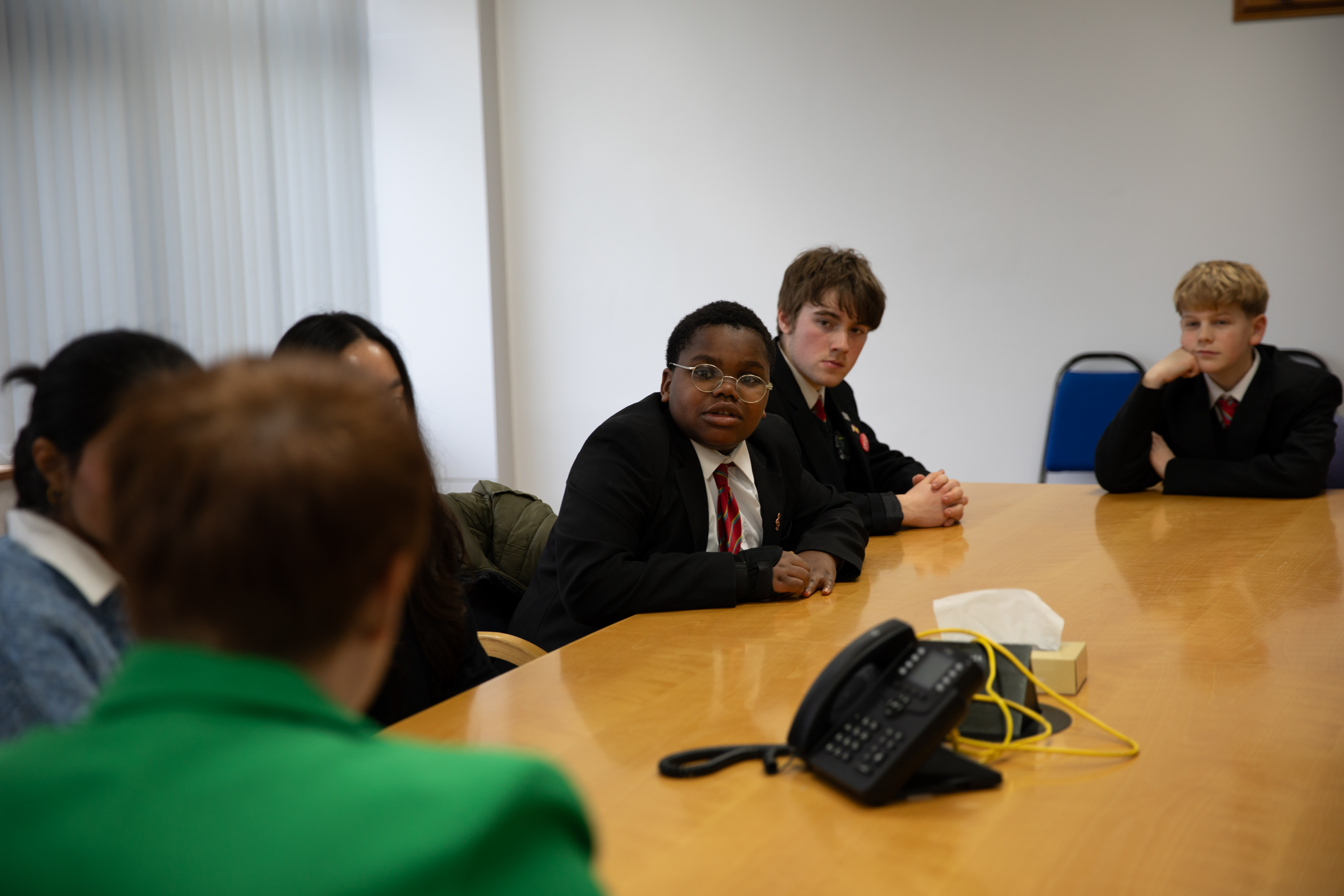
- The school council meets regularly with Mrs Lindsay and the sixth form captains to discuss and sort out problems. These may include school lunches, behaviour or ideas for fundraising events.
- Members of the school council will be responsible for carrying out the ideas that have been agreed, such as planning events, discussing how to carry out topics of discussion, or meeting with catering staff.
The School Council meets once every half term and is made up of Form Leaders, or their deputies, from each tutor group across the school. Meetings are chaired and led by our Sixth Form School Captains, who work alongside staff and pupil representatives to ensure that the views and ideas of our students are heard and considered.
Through the School Council, pupils have the opportunity to discuss issues that matter to them, contribute ideas for improvement, and take part in decision-making processes that affect the wider school community. Topics may include teaching and learning, wellbeing, enrichment opportunities, charitable initiatives, environmental concerns, and ways to enhance the experience of all members of our school family.
As a Catholic school, we encourage our pupils to follow the example of Christ, who taught that true leadership is found in serving others. The School Council embodies this commitment by encouraging pupils to lead with humility, compassion, and integrity.
"Whoever wants to become great among you must be your servant."
Mark 10:43
By participating in the School Council, pupils develop confidence, communication skills, and a sense of responsibility, enabling them to become active citizens and positive role models within both the school and the wider community.
What makes a good school council?
A good school council is one that represents the views of all students and gets things done. Many schools have councils, but they are not all successful. These are some things that make a council effective:
- Regular meetings – we have one meeting each half term
- Class form councils that meet regularly – each form class has a form captain who discusses topics with their forms and then brings ideas to the school council
- Good communication between representatives and their class.
- Smaller groups (sub-committees) working on specific events or issues.
 Do they get anything done?
Lots of school councils just talk, but others do get things done. Examples of STM’s Council successes include those who:
- Organising Whole School Charity Events – such as Quiztopia as part of Childrens Mental Health Week
- Adding some cultural aspects to food and ensuring that there are variations of food – Chicken sausages suitable for non-pork eaters, 6/2 Chinese New Year Menu, 13/2 Pancake Day, 15/2 Pizza Day, 28/2 Italian day
- School lunches feedback.
- Ideas for themed weeks, ie Cultural day as part of Childrens Mental Health Week, Black History Assembly led by 6th form leadership team, Empathy Week.
- Voting for the Jack Petchey winner
School Council Prayer
God, the source of every good gift,
You have called us together as servants to do Your will.
Grant us the light of Your Spirit
To guide us in our responsibilities as a School Council.
May we work together in harmony for the common good.
May we listen to one another in a spirit of genuine respect.
May we encourage and reverence one another’s unique talents.
May we use the gifts of the Spirit in creative Christian leadership.
May we approach our decision making through discernment and prayer.
May we respond effectively to the needs of the children in our care.
God of Love,
You give us the gifts of the Holy Spirit for the common good.
May Your blessings radiate from us to others in a new spirit of service.
May we be ‘Gods Servant First’
Amen.
Extra-Curricular
Extra Curricular Clubs
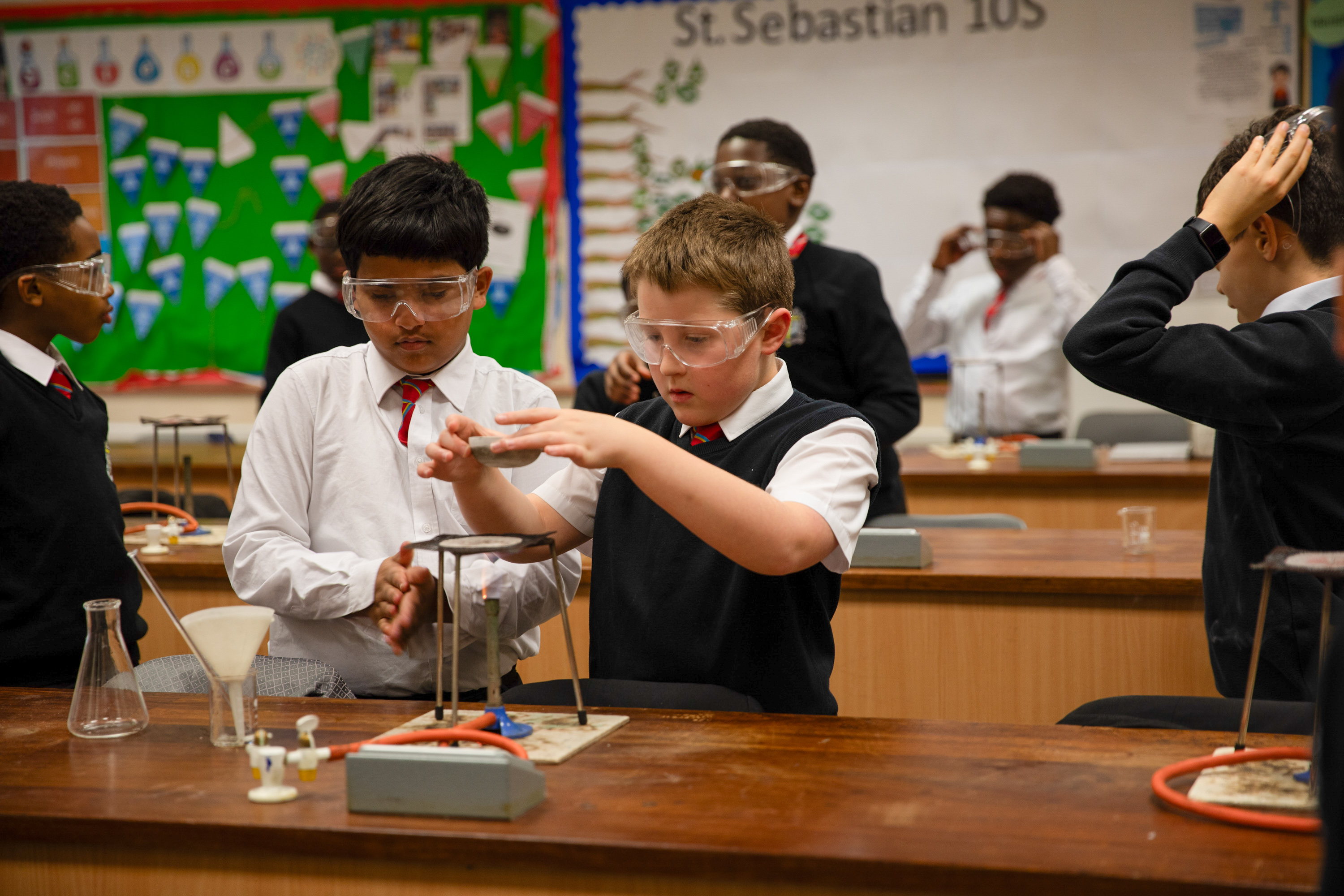 At St Thomas More, we believe that extracurricular activities enrich the experience of students in numerous ways, including:
- Supporting the existing taught curriculum and providing opportunities for deeper learning
- Providing an alternative experience to classroom-based lessons and the taught curriculum
- Providing students with opportunities to take ownership of learning
- Encouraging students to explore activities and subjects they might not have contemplated otherwise

- Supporting students to continue with an interest and/or to master a skill
- Providing students with opportunities to experiment and innovate
Enrichment activities take place throughout the week both at lunchtime and after school. A timetable of activities is published every half-term for students and parents.
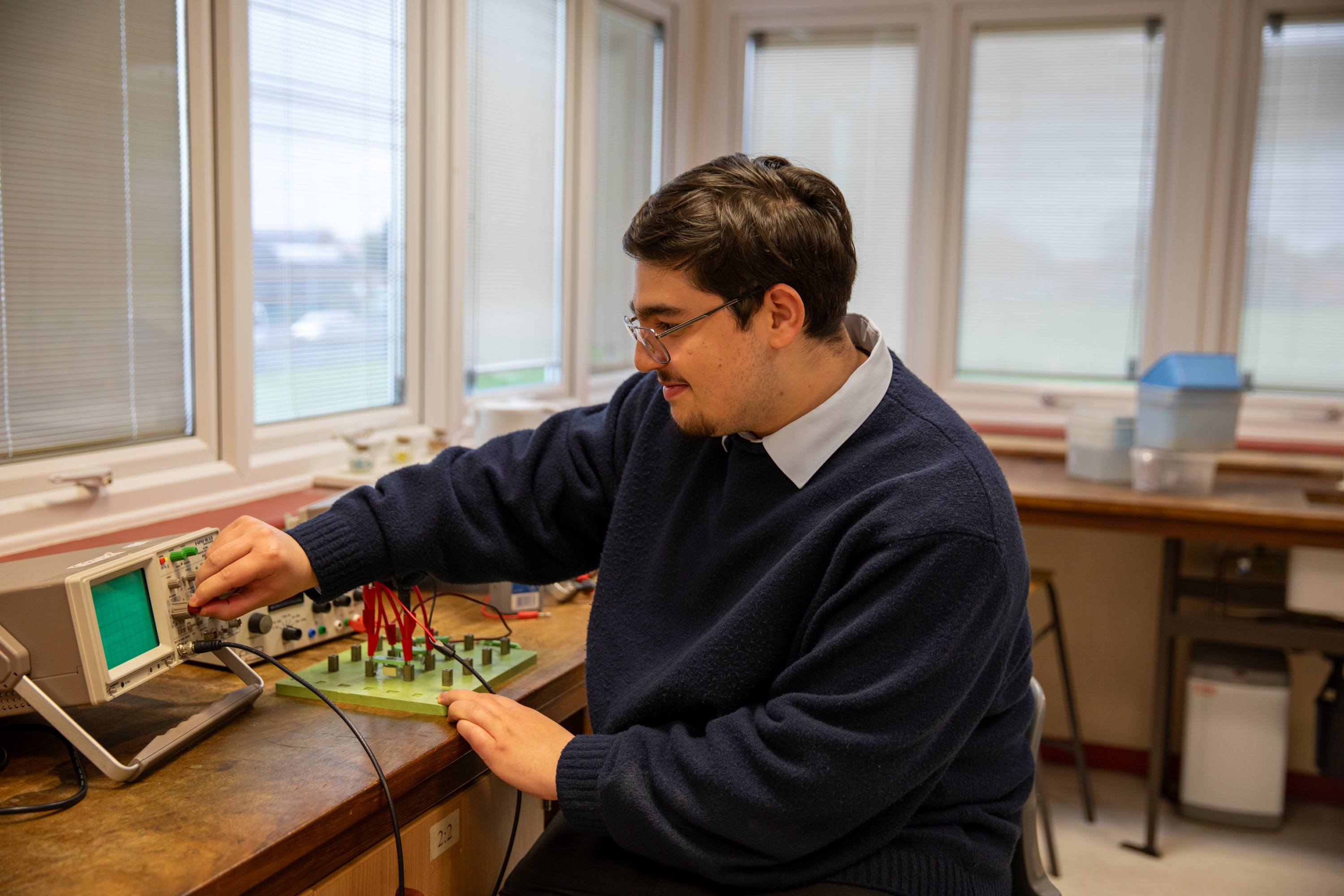 Within 6th Form, Enrichment activities take place as part of their timetable on a fortnightly basis. Students also have enrichment drop down sessions throughout the year.